

Losing a tooth, whether from injury, decay, or age, affects far more than your smile. It can change the way you eat, speak, and even feel about yourself in everyday situations. Fortunately, modern dentistry offers a long-term, natural-looking solution. If you’ve been researching dental implants in Katy and Houston, TX, you’re already on the right path toward restoring both function and confidence in your smile.
At Teeth Talk Dentistry, we help patients across Katy and the greater Houston area replace missing teeth with implants that look, feel, and function like the real thing. Unlike temporary fixes, implants are designed to be a permanent solution, giving you the freedom to eat, speak, and smile without hesitation. In this guide, we explain how implants work, who qualifies, what the process involves, and how to care for your new teeth, so you can decide with confidence.
What Are Dental Implants?
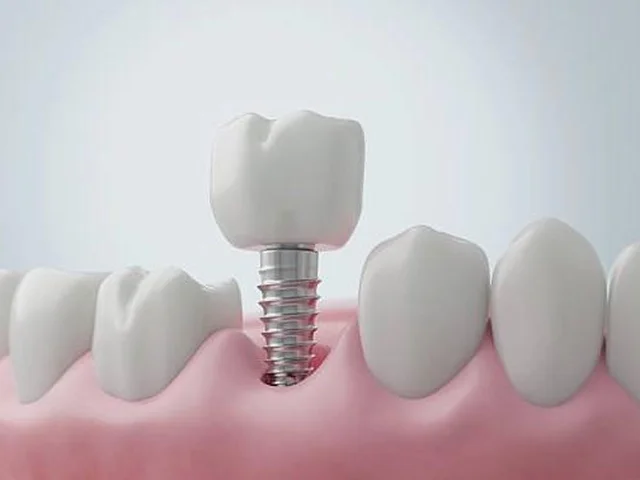
A dental implant is a small titanium post placed into the jawbone, where it acts as an artificial tooth root. Over the following weeks and months, the post fuses with the surrounding bone through a natural biological process called osseointegration. Once that bond is strong, a custom-made crown is attached on top, creating a replacement tooth that is virtually indistinguishable from your natural teeth.
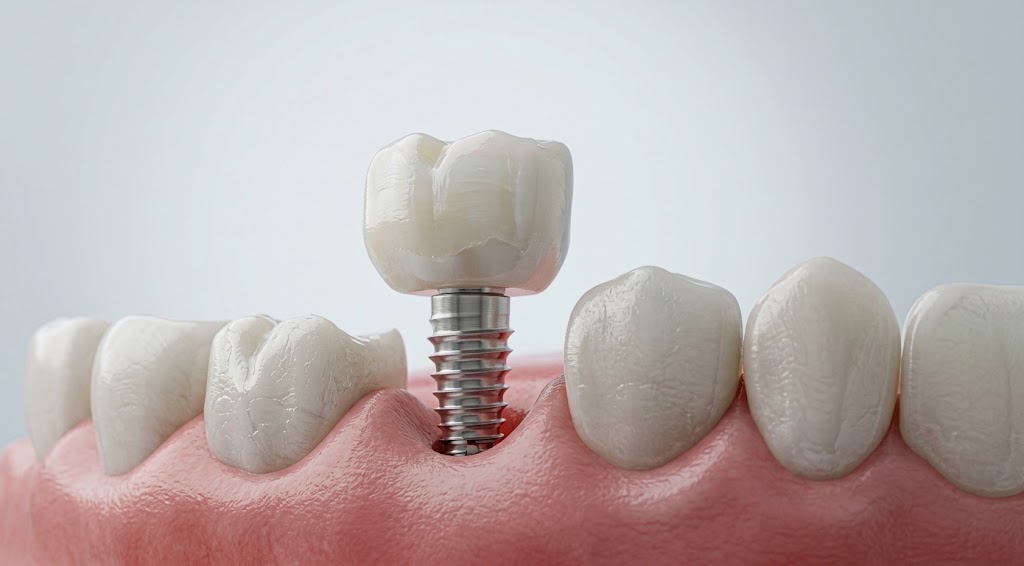
Unlike dentures or bridges, implants don’t rely on neighboring teeth for support. They also stimulate the jawbone the way a natural root does, which helps preserve the bone structure that naturally deteriorates after tooth loss. This is a big reason implants are considered one of the most effective and long-lasting options for replacing missing teeth.
Who Is a Good Candidate for Implants?
Most healthy adults who have lost one or more teeth are potential candidates for implants. The best way to know for certain is through a consultation, where our dentist evaluates your jawbone density, gum health, and overall oral condition. Patients who have experienced significant bone loss may still qualify after a bone grafting procedure, which helps rebuild the foundation needed to support an implant successfully.
Common reasons patients seek implants include:
- A single missing tooth from injury or extraction
- Multiple missing teeth affecting chewing or speech
- Ill-fitting dentures causing discomfort
- Tooth loss due to advanced decay or gum disease
- A desire for a permanent, low-maintenance replacement option
Why More Patients Are Choosing Implants Over Alternatives
Traditional solutions like bridges and removable dentures have long been the standard for replacing missing teeth, but they come with limitations. Bridges require reshaping healthy adjacent teeth to hold the replacement in place, while dentures can shift, cause irritation, and need ongoing adjustments and replacements over time.
Implants solve many of these problems. Because they integrate directly with the jawbone, they offer superior stability, so you can enjoy your favorite foods, from crisp apples to a good steak, without worrying about slipping or clicking. They also help maintain your facial structure by preventing the bone loss that occurs when a tooth root is missing, which keeps your face looking fuller and more youthful. For many patients across Katy and Houston, this combination of durability, comfort, and natural function makes implants a worthwhile long-term investment in oral health.
The Dental Implant Process, Step by Step
Getting implants is a multi-stage process, typically spanning a few months from start to finish. Timelines vary by patient, but the general journey looks like this:
Step 1: Initial Consultation:
Your dentist examines your oral health, takes X-rays or a 3D scan, and discusses whether implants are the right fit for your situation.
Step 2: Implant Placement:
The titanium post is placed into the jawbone under local anesthesia, with sedation options available for anxious patients. Most people are surprised by how comfortable the procedure is.
Step 3: Healing and Osseointegration:
Over the following months, the implant fuses with the surrounding bone, creating a strong, stable foundation.
Step 4: Abutment and Crown Placement:
Once healing is complete, a connector piece called an abutment is attached, followed by a custom crown designed to match the color, shape, and size of your natural teeth.
Implants and Your Overall Smile Goals
For many patients, implants are just one piece of a larger smile transformation. If you’re also thinking about straightening misaligned teeth before or after implant treatment, our Invisalign Katy and Houston TX option can be coordinated with your implant plan, so your teeth end up both aligned and complete. Combining treatments under one care plan often creates a smoother, more cohesive experience than tackling each concern separately.

Implants also fit naturally into a broader cosmetic plan. If you’re dreaming of a brighter, more balanced smile, ask us about a Smile Makeover Katy TX that pairs implants with whitening, veneers, or other cosmetic treatments to achieve a complete and confident result.
Serving Patients Across Katy and Houston
We’re proud to offer Dental Implants Katy and Houston TX, giving patients throughout the wider region access to advanced restorative care without having to travel far. Whether you live in central Katy or commute in from Houston, our team can handle everything from straightforward single-tooth implants to more complex full-arch restorations.
Cost and Financing Considerations
Implants are a significant investment, but many patients find the long-term value outweighs the upfront cost, especially compared with the recurring expense of denture adjustments or bridge replacements. When properly cared for, implants can last decades, and in many cases a lifetime.
We believe quality care should be within reach, and our team is proud to be an Affordable Dentist Katy TX families can trust. We work with you to explore financing options and insurance coverage where applicable, and during your consultation, we provide a clear, itemized breakdown of expected costs so you can plan with confidence before moving forward.
Caring for Your Dental Implants
One of the biggest advantages of implants is how similar their care routine is to natural teeth. Brushing twice daily, flossing around the implant, and attending routine checkups and cleanings are typically all that’s needed to keep it in excellent condition for years. Avoiding excessive force, such as chewing ice or grinding your teeth at night, also helps protect your investment, and a custom night guard can help if you grind.

Some mild tenderness is normal in the first few days after surgery, but lingering soreness, swelling, or a loose feeling shouldn’t be ignored. If you notice persistent discomfort around an implant or any other tooth, our Tooth Pain Treatment Katy TX team can find the cause and help you get relief before a small issue becomes a larger one.
When to Call Your Dentist Right Away
Most implant patients heal without any problems, but a few warning signs deserve prompt attention:
- Swelling or redness in the gums around the implant
- Pain that worsens instead of improving after the first week
- A crown or abutment that feels loose or has come off
- Fever, a bad taste, or discharge near the implant site
If any of these occur, don’t wait for your next routine visit. Our Same Day Dentist Katy TX service means you can often be seen the day you call, which protects both your implant and your peace of mind.
Conclusion
Missing teeth don’t have to mean a lifetime of compromise. With Dental Implants Katy and Houston TX, you can restore both the function and appearance of your smile with a solution built to last. The experienced team at Teeth Talk Dentistry is here to guide you through every step, from your first consultation to your final, confident smile. 📞 Call us today at [832-303-4400] to schedule your dental implant consultation and take the first step toward a permanent, natural-looking smile.
Frequently Asked Questions
1. How long do dental implants last?
With proper care, the titanium post can last 20 years or longer, and often a lifetime. The crown on top may need replacement after 10 to 15 years due to normal wear.
2. Is the implant procedure painful?
Most patients report minimal discomfort during the procedure because the area is fully numbed with local anesthesia, and sedation is available if you feel anxious. Afterward, mild soreness and swelling are common and usually settle within a few days.
3. How long does the entire implant process take?
From placement to final crown, the process usually takes three to six months, depending on how quickly you heal and whether bone grafting is needed.
4. Can I get implants if I’ve lost bone density in my jaw?
Yes. Many patients with bone loss can still receive implants after a bone grafting procedure, which rebuilds the foundation needed for successful placement. A 3D scan during your consultation shows exactly how much bone is available.
5. Does insurance cover dental implants?
Coverage varies by plan. Some plans cover part of the cost, such as the crown or related extractions, while others do not cover implants at all. Our team can review your benefits before treatment and walk you through financing options so there are no surprises.